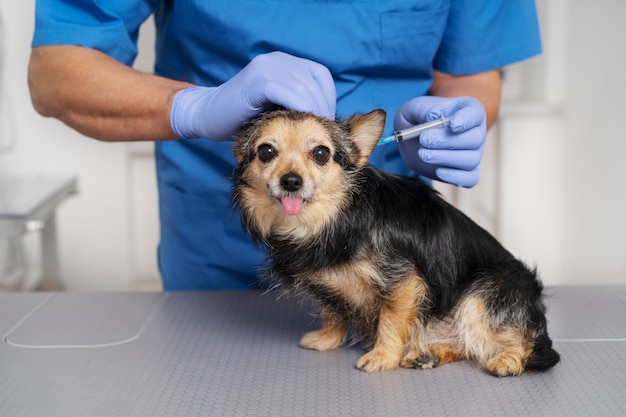
Fleas are tiny, parasitic insects that can cause a significant nuisance in homes and for pets. These pests are not just irritating; they can also pose health risks to humans and animals alike. Effective flea control requires a comprehensive approach that targets the entire lifecycle of the flea, from eggs to adults. Understanding the intricacies of flea behavior and utilizing a multifaceted strategy are crucial steps in saying goodbye to these persistent pests.
Understanding the Flea Lifecycle
To effectively combat fleas, it’s essential to understand their lifecycle, which includes four stages: egg, larva, pupa, and adult. Each stage requires different control strategies:
- Egg: Fleas lay eggs on their host, which then fall off into the environment. These eggs hatch within a few days.
- Larva: The larvae feed on organic debris and develop over one to two weeks.
- Pupa: The pupal stage is when fleas are in a cocoon, making them resistant to many treatments.
- Adult: Adult fleas emerge from the cocoon and begin feeding on blood almost immediately.
Understanding these stages is vital for implementing an effective flea control plan. Explore advanced guides and tips to learn more about flea development and behavior.
Comprehensive Flea Control Strategies
Environmental Control
Environmental control focuses on reducing flea populations in the home and yard:
- Vacuuming: Regular vacuuming can remove a significant number of flea eggs and larvae from carpets and upholstery.
- Washing Bedding: Frequently wash pet bedding and any other fabrics that pets use to eliminate any eggs or larvae present.
- Yard Maintenance: Keeping grass short and removing debris can reduce outdoor flea habitats.
For more comprehensive strategies on environmental control, discover expert strategies here.
Pet Treatment
Treating pets is a crucial component of flea control:
- Topical Treatments: These are applied directly to the pet’s skin and can kill fleas on contact.
- Oral Medications: These medications work from the inside out to kill fleas that bite the pet.
- Flea Collars: Collars can provide long-lasting protection against fleas.
Consult a veterinarian to choose the most effective treatment for your pet. Learn about our tailored solutions for pet treatment.
Professional Pest Control
In some cases, professional pest control services may be necessary to eradicate severe infestations:
- Assessment: A professional can conduct a thorough assessment to determine the extent of infestation.
- Targeted Treatments: Professionals have access to advanced treatments that are not available to the general public.
- Ongoing Monitoring: Regular follow-ups ensure that the flea problem is under control.
For more details on professional pest control options, find out more about this approach.
Conclusion
Effective flea control requires a comprehensive approach that combines environmental management, pet treatment, and professional pest control services. Understanding the flea lifecycle and using tailored strategies can significantly reduce flea populations and prevent future infestations. For more expert advice and personalized solutions, explore advanced guides and tips available online. By employing a combination of these methods, it is possible to achieve a flea-free environment and provide comfort and safety for both pets and humans.