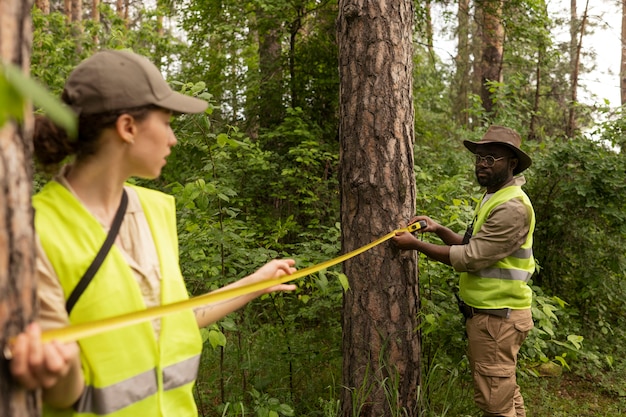
Urban areas are rapidly expanding, and as cities grow, the interaction between human populations and wildlife becomes more prevalent. This interaction, while fascinating, brings with it unique challenges that require effective wildlife management strategies. Urban wildlife, from birds and bats to larger mammals, often face dangers such as habitat loss, human interference, and pollution. Ensuring their safety is not only an ethical obligation but also essential for maintaining biodiversity and ecological balance. Professional wildlife management experts play a pivotal role in mitigating these challenges, offering tailored solutions that align with urban development goals while prioritizing wildlife safety.
Understanding Urban Wildlife Dynamics
Urban ecosystems present a unique set of circumstances where wildlife must adapt to survive. To ensure safety and health of urban wildlife, it?s essential to understand the dynamics of these environments:
- Habitat Fragmentation: Urban development often leads to the division of natural habitats, hindering the movement and survival of wildlife.
- Human-Wildlife Conflict: Increased interaction can lead to conflicts, often detrimental to wildlife.
- Resource Scarcity: The competition for food and shelter can be fierce in urban settings.
Professional wildlife management efforts aim to address these challenges through strategic planning and community education. Discover expert strategies here.
Role of Wildlife Management Experts
Wildlife management experts are essential in creating harmonious urban environments. Their responsibilities encompass various areas:
Conservation and Protection Strategies
Experts employ a range of strategies to ensure the safety and preservation of urban wildlife:
- Conducting Wildlife Surveys: These surveys help in understanding the population dynamics and habitat requirements of urban wildlife.
- Implementing Mitigation Measures: This includes creating wildlife corridors and utilizing deterrents to minimize human-wildlife conflicts.
- Community Engagement: Educating the public about coexisting with wildlife is crucial for long-term success.
For more detailed insights, explore advanced guides and tips.
Technological Integration
The integration of technology in wildlife management has opened new avenues for ensuring urban wildlife safety:
- Use of Drones: Drones are increasingly used for monitoring wildlife movements and habitat conditions.
- Data Analytics: Advanced data analytics help in predicting wildlife trends and planning interventions accordingly.
- GPS Tracking: Tracking devices allow for real-time monitoring of animal movements and behavior.
Find out more about this approach.
Community Involvement and Education
Ensuring urban wildlife safety is a collective responsibility that extends beyond the efforts of professionals alone. Community involvement is paramount:
- Citizen Science Initiatives: Encouraging public participation in data collection and monitoring efforts.
- Workshops and Seminars: Providing platforms for community members to learn about urban wildlife and conservation methods.
- School Programs: Educating younger generations about the importance of wildlife conservation fosters long-term commitment.
For tailored solutions and community-driven strategies, learn about our tailored solutions.
Evaluating Success and Adaptation
Continuous evaluation and adaptation are critical to the success of wildlife management programs. Feedback from the community and stakeholders helps refine strategies for better outcomes:
- Monitoring and Reporting: Regular monitoring allows for the assessment of wildlife population health and the effectiveness of implemented strategies.
- Feedback Mechanisms: Engaging with the community to gather insights and feedback helps in adapting strategies to meet changing needs.
Readers interested in understanding the effectiveness of these initiatives can check out customer reviews here to see what others are saying about us.
Urban wildlife management is a complex field that requires a blend of expertise, technology, and community collaboration. By employing advanced strategies and fostering public involvement, wildlife management experts can ensure that urban areas remain safe habitats for wildlife, contributing to a balanced and healthy ecosystem.