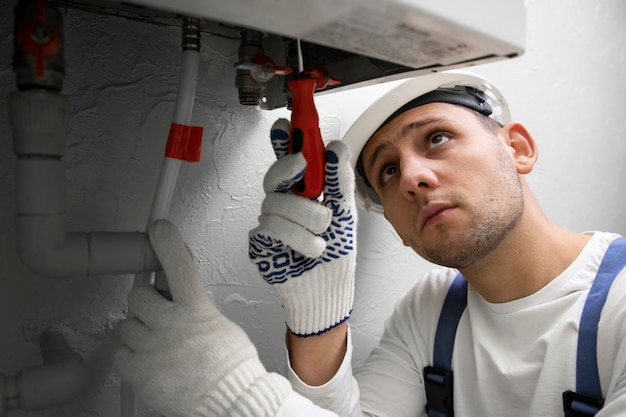
Hot water heaters are essential components in households, providing comfort and convenience through reliable access to hot water. However, like all appliances, they can face issues that require repair. Understanding these potential problems and knowing how to address them is vital in maintaining a functional and efficient system. This guide will explore common hot water heater issues, effective repair strategies, and preventive measures to ensure longevity and reliability.
Common Hot Water Heater Issues
Hot water heaters can manifest various problems, often linked to their age, usage, and maintenance routines. Identifying these issues early is crucial:
- No Hot Water: This is often due to a malfunctioning thermostat or a broken heating element.
- Inadequate Hot Water: This can result from sediment buildup in the tank or an undersized water heater.
- Odd Noises: Rumbling or popping noises often indicate sediment accumulation.
- Leaking Tank: Corrosion, faulty connections, or valve issues might cause leaks.
- Discolored Water: Rusty or muddy water often suggests corrosion inside the tank or pipes.
Effective Repair Strategies
Addressing hot water heater issues promptly and efficiently is key to minimizing inconvenience and avoiding costlier repairs. Here are some strategies:
Thermostat and Heating Element Solutions
For issues related to no hot water or inadequate heating, checking the thermostat settings and the heating elements is vital. A multimeter can test the continuity of the elements, ensuring they are functional. If malfunctioning, replacing these components can restore optimal performance. Learn about our tailored solutions for thermostat and heating element issues.
Addressing Sediment Buildup
Regularly flushing the tank can prevent sediment buildup, which affects heating efficiency and can cause noise and damage. Draining a few gallons from the tank every six months can help maintain clean and efficient operations. Find out more about this approach to sediment management.
Leak Prevention and Management
Leaks often require prompt attention to avoid significant water damage. Checking the anode rod regularly can prevent tank corrosion that leads to leaks. Replacing faulty valves or connections can also mitigate leakage issues. Explore advanced guides and tips on managing leaks effectively.
Handling Discolored Water
Discolored water often points to corrosion. Inspecting and possibly replacing the anode rod might solve this issue. Additionally, flushing the tank can help remove any sediment or rust buildup. Discover expert strategies here for dealing with discolored water.
Preventive Measures for Longevity
Consistent maintenance is essential for prolonging the life of a hot water heater:
- Regular Inspections: Periodic checks can catch problems early.
- Annual Flushing: Helps maintain efficiency and prevent sediment buildup.
- Check Anode Rod: Replacing it when worn can prevent tank rust.
- Temperature Settings: Keeping the thermostat at 120?F can reduce wear and save energy.
Implementing these preventive strategies not only enhances performance but also extends the lifespan of the hot water heater. Explore advanced guides and tips for comprehensive maintenance approaches.
For homeowners seeking reliable hot water heater solutions, understanding these repair strategies and preventive measures is essential. By addressing issues promptly and following regular maintenance routines, one can enjoy the benefits of a well-functioning hot water heater, ensuring comfort and convenience in the home.