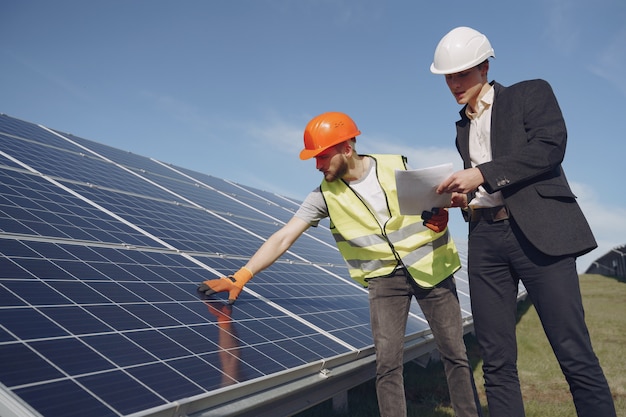
As the world pivots towards renewable energy, solar panels have emerged as a leading choice for sustainable power solutions. The increasing adoption of solar technology necessitates rigorous maintenance protocols to ensure optimal efficiency. Among these protocols, solar panel inspections stand out as a critical component to maintain performance and extend the lifespan of the installations. Regular inspections can prevent potential issues, enhancing both the efficiency and the return on investment for solar panel owners.
The Importance of Regular Solar Panel Inspections
Solar panel inspections are vital for several reasons, all of which contribute to maximizing the energy output and lifespan of the system.
- Performance Optimization: Regular inspections help identify any inefficiencies or malfunctions in the system that could hinder performance.
- Damage Detection: Inspecting panels routinely allows for early detection of physical damage or wear that may compromise the system’s efficiency.
- Safety Assurance: Ensures that the panels are functioning safely, reducing the risk of electrical hazards.
- Compliance and Warranty Protection: Adhering to inspection schedules can be a prerequisite for maintaining the validity of warranties and ensuring compliance with industry standards.
Components of a Comprehensive Solar Panel Inspection
Understanding the key components of a solar panel inspection can help stakeholders grasp its importance and the value it adds. Here are the main elements:
Visual Inspection
A visual inspection is the first step in identifying obvious issues such as cracks, dirt accumulation, or shading from nearby objects. This step is crucial for ensuring the panels are free from physical obstructions that could affect performance.
Electrical Testing
Electrical tests are conducted to measure the output of the panels, ensuring they are producing energy efficiently. These tests can reveal underlying issues not visible to the naked eye. Discover expert strategies here.
Thermal Imaging
Using advanced thermal imaging technology, inspectors can identify ‘hot spots’ that indicate malfunctioning cells or connections. This method is non-invasive and provides a detailed analysis of the panel’s health. Explore advanced guides and tips.
System Performance Review
A comprehensive inspection will include a review of the entire system’s performance, examining the inverter, wiring, and other components. This ensures that every part of the solar setup is functioning harmoniously. Find out more about this approach.
Benefits of Professional Solar Panel Inspections
While some basic maintenance can be done by the solar panel owners themselves, professional inspections offer numerous advantages:
- Expertise: Professionals bring a wealth of knowledge and experience, ensuring every aspect of the system is thoroughly evaluated.
- Advanced Tools: Access to specialized equipment like thermal imaging cameras and electrical testing tools that are beyond the reach of average consumers.
- Comprehensive Reporting: Detailed reports that provide insights into the current state of the system and recommendations for any necessary repairs or adjustments. Learn about our tailored solutions.
Conclusion
Incorporating regular solar panel inspections into a maintenance routine is a prudent strategy for anyone looking to maximize the efficiency and longevity of their solar energy system. By addressing potential issues before they escalate, stakeholders can ensure their investment continues to yield clean and cost-effective energy. Solar panel inspections are not just a maintenance task but a strategic approach to sustaining and enhancing energy production. To further explore the importance and methods of solar panel inspections, find out more about this approach.